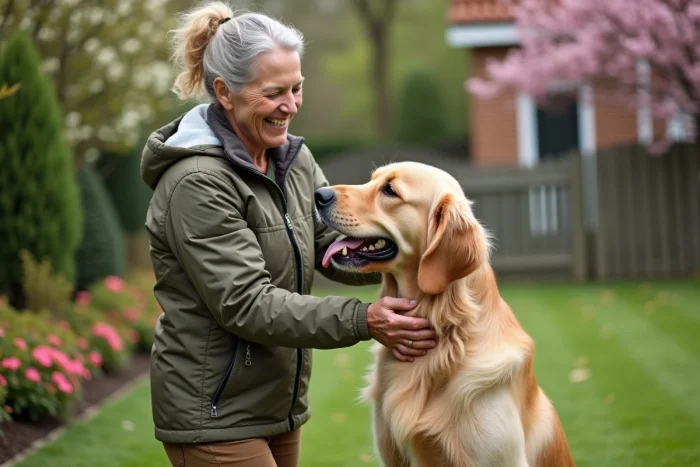
A dog is not allowed to bark for more than ten minutes in a row in certain French municipalities, under penalty of a fine for its owner. Yet, many pet owners are unaware of this rule, as well as other subtleties that shape the daily lives of domestic animals.
Regulations, habits, and recommendations evolve as research progresses and animal advocates push the boundaries. Between legal obligations, innovations in veterinary medicine, and tips learned on the ground, taking care of a pet becomes both more complex and more exciting. Practices diversify, interest remains strong: life with an animal changes, enriches, and reinvents itself.
Our animals, companions that inspire us every day
Sharing your daily life with a pet goes beyond providing a roof or a bowl. Dogs, cats, small animals, birds, rabbits, or rodents: each species, each breed, imposes its own rhythm, its demands, and sometimes its mysteries. Take the dog: behind its image as a loyal ally, one discovers a range of breeds, each with its own characteristics, history, and temperament. The cat, on the other hand, captivates with the richness of its breeds, all different, whether in terms of character, maintenance, or fragility.
Living with these sensitive creatures requires constant attention. Pet owners quickly realize: even the slightest change in the home can influence their companion’s balance. Knowing how to read signals, decipher needs, whether physical or emotional, becomes the daily routine of those who truly love pets.
On https://www.univers-animaux.net/, there are resources to illuminate each step: selecting a breed suited to your lifestyle, better understanding animal language, anticipating your companion’s basic needs. The bonds that form between humans and animals create a unique experience, built on patience, shared learning, and respect. Dogs and cats challenge our habits, push us to think differently, and renew our vigilance for their well-being, health, and harmonious existence.
What advice for taking care of your animals and ensuring their well-being?
Caring for a pet means observing, adapting, and staying attentive. Animal health primarily relies on prevention: a suitable diet, impeccable hygiene, regular visits to the veterinarian. Dog or cat food should not be chosen randomly: one must consider the species, breed, age, and activity level. A dog or a cat has different needs than another, and the contents of the bowl directly influence its vitality.
Here are some guidelines to support your companion’s well-being:
- Choose a appropriate diet: select kibble or wet food that corresponds to the animal’s age, size, and lifestyle.
- Don’t neglect oral hygiene: preventing tartar and dental issues involves simple, but regular actions.
- Enrich their living environment: games, socialization moments, spaces to rest… all contribute to behavioral balance, especially for dogs and cats.
- Respect preventive measures: vaccinations, parasite treatments, veterinary check-ups… all these reflexes protect your animal from many problems.
When absences lengthen, relying on a pet sitter or an animal service makes perfect sense. These professionals, bound by specific rules, ensure the hygiene and emotional needs of your companion are met. Training also plays a central role: channeling a young dog, socializing a cat, requires patience and consistency. At every moment, it’s about listening: the animal expresses what it feels, signals discomfort, and sometimes demands increased attention. Finally, pet products, accessories, bedding, toys, are never trivial: every choice impacts your companion’s comfort and health.

News, initiatives, and tips: the community of enthusiasts is committed to animals
The news from the animal world reflects a constant mobilization. Advocacy groups, shelters, volunteers: across France, commitment is intensifying to ensure the well-being of our dogs, cats, and feathered or furry companions. Animal shelters work hand in hand with associations to support each adoption, ensure a gradual adaptation, and inform future adopters about their responsibilities. Before any adoption, there is a meeting, an exchange about the living context, and then personalized follow-up.
The animal community shares advice and tips on animal blogs or through social media. Experiences are shared: how to choose bedding according to breed? How to secure a space? What signs of stress or illness to watch for? This mutual aid promotes access to reliable information, to in-depth articles on behavior or animal health.
Everywhere, local initiatives are emerging: campaigns for responsible adoption, collections to improve life in shelters, educational workshops to raise awareness among the youngest. Behind each action, there are enthusiasts who become actors on their scale, participants in a collective dynamic in favor of companion animals. This energy, this diversity of practical advice, strengthens the support provided to each owner, whether it’s their first animal or a long-time companion.
With each new adoption, each shared story, the community expands and strengthens. The animals, themselves, remain at the center, discreet engines of a commitment that continues to grow. Who knows where they will lead us?