
A truck driver in Switzerland earns an average gross annual salary of around CHF 62,400, including bonuses and a thirteenth month. However, this figure hides very different realities depending on the canton where you work, your seniority, and the type of transport carried out. Understanding these disparities allows for better negotiation of contracts or choosing a work region with full knowledge of the facts.
Shortage of truck drivers in Switzerland: a lever on salaries
Job offers for truck drivers are multiplying in Switzerland. Since 2023-2024, professional associations in road transport have reported a marked tension in the labor market for qualified drivers.
This labor shortage changes the game for candidates. Some companies now offer non-salary benefits to attract experienced profiles: assigned vehicles, participation in continuing education costs, or flexibility in organizing routes.
A driver who consults the salary scale for truck drivers in Switzerland before a job interview has a solid argument to negotiate above the usual floor. The scarcity of qualified profiles pushes employers to revise their scales, especially in cantons where logistics activity is dense.
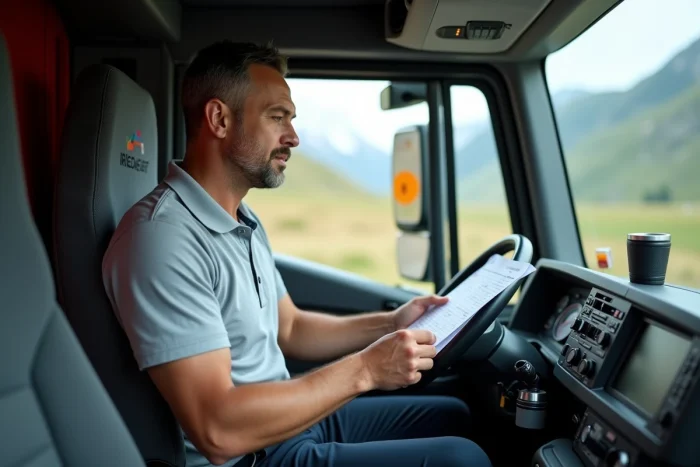
Truck driver salary by canton: Geneva, Zurich, Ticino
There is no national scale imposed by a single collective agreement. The collective labor agreements (CCT) for road freight transport leave a significant margin for negotiation for employers depending on the region.
In practice, a beginner driver in Geneva earns on average about 10% more than a colleague from Ticino with the same experience. Zurich and Basel-City are at the high end of the range, driven by a high cost of living and a concentration of transport companies.
Why such disparities between cantons
Three factors explain these disparities:
- The local cost of living directly impacts the salaries offered. Geneva and Zurich have some of the highest rents and food prices in the country, which is reflected in the scales.
- The density of logistics companies in a canton creates competition among employers. The higher the demand for drivers, the higher the salaries rise.
- The usual cantonal salaries, monitored by tripartite commissions, serve as a reference floor. An employer offering a significantly lower salary exposes themselves to inspections, especially in the cantons of Geneva, Vaud, and Basel-City.
According to the overall range reported by Swiss job platforms, 80% of truck drivers earn between CHF 3,202 and CHF 7,268 gross monthly. The gap between the lower and upper ends of this range precisely reflects these cantonal and seniority differences.
Night, weekend, and holiday bonuses: the hidden part of the salary
The base salary tells only part of the story. For a long-distance driver or a night distribution driver, the increases for night and weekend work represent a significant part of the actual income.
The CCTs for road freight transport and logistics provide for mandatory increases for night work, Sunday work, and holidays. These bonuses are not optional: they are included in the agreements approved by the SECO.
Concrete impact on the payslip
Let’s take a driver who regularly makes night deliveries. Their night bonuses, accumulated over a month, can push their remuneration well above that of a colleague who only drives during the day, even if their base salary is the same.
This point is often underestimated when comparing job offers. Comparing two positions solely on the announced gross monthly salary skews the analysis if one includes night shifts and the other does not.
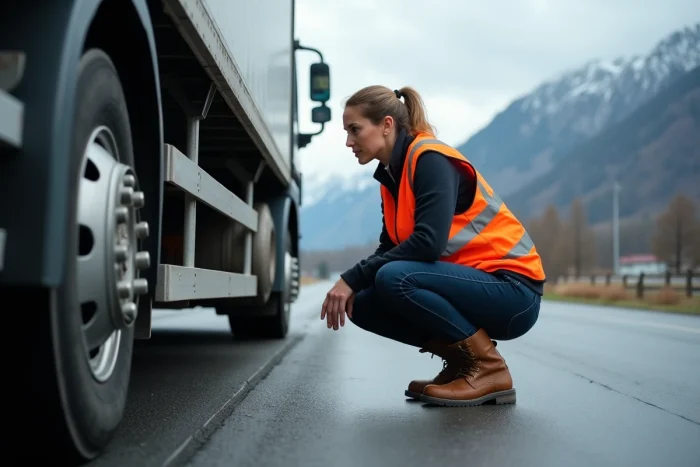
Salary control and posted workers in Swiss road transport
Since 2024, several cantons have strengthened controls on the working conditions of posted foreign drivers. Geneva, Vaud, and Basel-City are among the most active in this area, through tripartite commissions and labor inspections.
The objective is clear: to combat wage dumping in road transport. A posted driver from a neighboring country must be paid at least according to the usual salaries of the canton where they perform their mission. Inspections have increased in recent years in border cantons.
What this changes for resident drivers
For a Swiss driver or permanent resident, these controls have a protective effect. They prevent employers from driving salaries down by relying heavily on cheaper posted labor.
In practice, a driver whose salary is below the cantonal references can report their situation to the tripartite commission of their canton. This mechanism exists, but few drivers are aware of this recourse option.
Seniority and training: two salary accelerators
Professional experience remains the most significant factor affecting remuneration, after the canton. A driver with more than five years of seniority may see the cantonal gap narrow or even reverse due to experience-related bonuses.
Training also plays a role. Drivers holding additional certifications (hazardous materials, exceptional transport) gain access to better-paid positions. The size of the company also matters: a large transport or logistics company generally applies more structured scales than a small independent transporter.
- Less than 2 years of experience: remuneration close to the cantonal floor, limited negotiation.
- Between 3 and 5 years: gradual increase, access to seniority bonuses provided by certain CCTs.
- Beyond 5 years: real negotiation margin, possibility to compensate for a less rewarding canton with experience and certifications.
The Swiss road transport market values loyalty. Staying several years in the same company remains the most direct path to the higher salary tiers, especially when the employer applies a CCT with formalized seniority levels.