The Malagasy culture is not limited to lemurs and baobabs. Behind these postcard images, there exists an ecosystem of musical, audiovisual, and media creations that lives, transforms, and exports. Videos, music, news: these three entry points allow us to grasp what makes Madagascar resonate today, far beyond tourism.
Malagasy series and short films on YouTube and TikTok
Have you ever come across a Malagasy sketch in your YouTube recommendations? For a few years now, creators based in Antananarivo have been publishing self-produced series and short films that attract a growing audience. These contents blend popular humor, the Malagasy language (often in the Merina or Betsileo dialect), and urban references from the capital.
This phenomenon contrasts with the previous situation. Madagascar remained relatively invisible on streaming platforms compared to Nigeria or South Africa. Malagasy audiovisual content is now gaining visibility thanks to a unique aesthetic, far from the codes of dominant English-speaking productions.
TikTok accelerates this dissemination. Short formats allow artists to gain recognition without production budgets, by publishing clips, parodies, or cultural snippets in Malagasy. To keep up with this daily excitement, news, videos, and music are notably gathered on gasy.net, which aggregates these contents in a regularly updated feed.
Malagasy music: from salegy to international stages
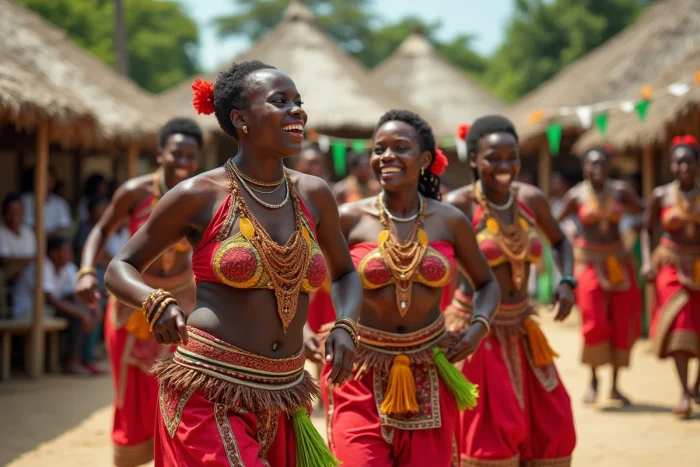
Salegy remains the most identifiable musical genre of Madagascar. This fast-paced rhythm, driven by distorted guitars and percussion, gets crowds dancing during concerts in Antananarivo. Artists like Vaiavy Chila, nicknamed the “princess of salegy,” embody this raw stage energy, with performances lasting several hours in front of an enthusiastic audience.
The Malagasy music scene is not limited to salegy. Tsapiky from the south, ba-gasy from the highlands, kilalaky, or contemporary fusions between jazz and traditional sounds create a varied soundscape. Each region of the island carries its own style, linked to distinct local traditions.
What is changing is the dissemination. Malagasy clips circulate on YouTube, and tracks are included in African playlists on listening platforms. The Malagasy diaspora, particularly in Paris, plays a relay role: it shares, comments, and sometimes finances the production of new tracks.
The role of women in Malagasy music
A recent report published by Afropop Worldwide documents the place of women in Malagasy music. Singers, composers, backing vocalists: they occupy various roles, often in musical genres where the stage remains dominated by men. Female artists carry their own narrative, balancing traditions and contemporary claims.
International Women’s Day regularly leads to dedicated concerts in Antananarivo, where these artists take center stage. This visibility is still uneven, but it is progressing.
National strategy for the development of Malagasy culture
The creative effervescence in Madagascar has recently benefited from a structured political framework. The government has integrated cultural and creative industries into its National Strategy for the Development of Culture 2023-2030. This plan covers music, audiovisual, and intangible heritage, with concrete measures:
- Facilitate the export of Malagasy artists through support for tours and international trade shows
- Encourage local production of digital content, including clips, web series, and podcasts
- Position culture as a lever for economic diversification for the country
This aspect is rarely mentioned in tourist or general content about Madagascar. It marks a desire to shift from a contemplated cultural heritage to an exported cultural industry.
Agreement with France Médias Monde on information verification
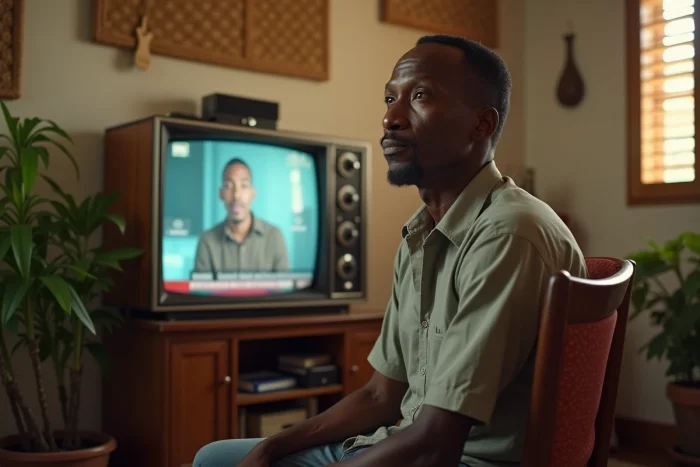
Meanwhile, the Ministry of Communication and Culture of Madagascar has signed an agreement with France Médias Monde. The goal: to strengthen capacities in information verification and train Malagasy media professionals. In a context where news circulates rapidly on social media, this initiative aims to enhance the reliability of the local media ecosystem.
This partnership illustrates a reality often overlooked: Malagasy culture is not limited to arts and traditions. It also encompasses how information is produced, disseminated, and consumed in the country.
Craftsmanship and heritage: a cultural foundation that nourishes digital creations
Malagasy audiovisual creations draw heavily from artisanal heritage and local traditions. Woodworking, sculpture, wild silk weaving, or marquetry regularly appear in the settings of series and music videos. These visual elements anchor the productions in a recognizable identity.
Malagasy heritage functions as a library of visual and narrative references. The Royal Hill of Ambohimanga, classified as a UNESCO World Heritage site, or rituals like Famadihana (the turning of the dead) feed the scenarios and themes addressed by creators.
Malagasy craftsmanship, in turn, finds a new audience through online manufacturing videos. Artisans film their techniques and share them on social media, contributing to raising awareness of skills that tourism alone cannot valorize.
Malagasy culture is experiencing a transition period between oral transmission and large-scale digital dissemination. Platforms offer a showcase that neither tourism nor traditional media could provide. This movement, still young, relies on creators filming with their phones and artists recording in modest conditions. The result remains raw, sometimes imperfect, but it carries an authenticity that formatted productions cannot replicate.