Forty percent of global CO₂ emissions. That’s the weight of traditional buildings, without thermal regulations really enforcing an ecological shift. Mineral insulators, which have flooded construction sites due to their low cost, carry a carbon legacy that doesn’t lighten from decade to decade.
As resources dwindle and energy prices rise, every material weighs heavily in the balance of performance and longevity of housing. Eco-friendly alternatives, once relegated to the sidelines or accused of being overpriced, are now part of the choices for those who want to build or renovate without mortgaging the future.
Eco-friendly materials: what are we really talking about?
The public debate is taking hold of eco-friendly materials, but the definition remains sometimes vague. Far from industrial composites derived from petrochemicals, an eco-material is distinguished by its low environmental footprint, from extraction to end of life. Three families structure the sector: bio-based, geo-based, and recycled.
To clarify, here’s what characterizes each of these families:
- A bio-based material comes directly from plant or animal biomass. Wood, hemp, cellulose wadding, wood wool, or plant fibers: these renewable materials have a reasonable carbon balance and promote short supply chains.
- On the geo-based side, we find raw earth, clay bricks, compressed earth, or cellular concrete. Their transformation requires little energy and their recycling is facilitated, placing them at the heart of eco-construction.
- As for the recycled, recycled steel, cellulose wadding, and certain concretes help limit pressure on primary resources and contribute to waste reduction.
Choosing these natural materials when looking to build an eco-friendly home or embark on renovation is betting on sustainability, thermal performance, and preserved indoor air quality. The range of solutions, from healthy natural insulators to earth bricks, adapts to the requirements of a modern sustainable habitat. For those who want to deepen their selection criteria, the platform natureetmateriaux.fr provides a comprehensive overview in “Nature et Matériaux – What You Need to Know.”
What concrete benefits for your health, budget, and the planet?
Choosing eco-friendly materials is not just a simple green badge stuck on a construction site. The effects are felt daily, in the air we breathe and on the bill that arrives at the end of the month. Without toxic emissions or volatile organic compounds accumulating in indoor air, these materials protect the health of all inhabitants. We breathe better, and ailments related to indoor pollution decrease.
On the spending side, the economic argument strengthens over time. Thanks to solid thermal performance and the natural insulation of wood, hemp, or cellulose wadding, the energy bill significantly lightens. Savings accumulate year after year, amplified by the robustness and low maintenance of these materials. Public assistance also facilitates their adoption for many households.
For the environment, reducing the carbon footprint is non-negotiable. CO₂ emissions decrease, especially when prioritizing local supply chains. The recyclability and ecological discretion of these materials align with a logic of sustainable preservation and circular economy.
We can also count on their acoustic performance, maintaining a pleasant temperature in both summer and winter, and the feeling of a habitat built to last. By leaning towards these choices, we concretely address the question of why choose eco-friendly materials to build or renovate one’s habitat: to live better, spend less, and limit the impact of every square meter built.
Choosing your eco-friendly materials wisely: practical tips to get started without stress
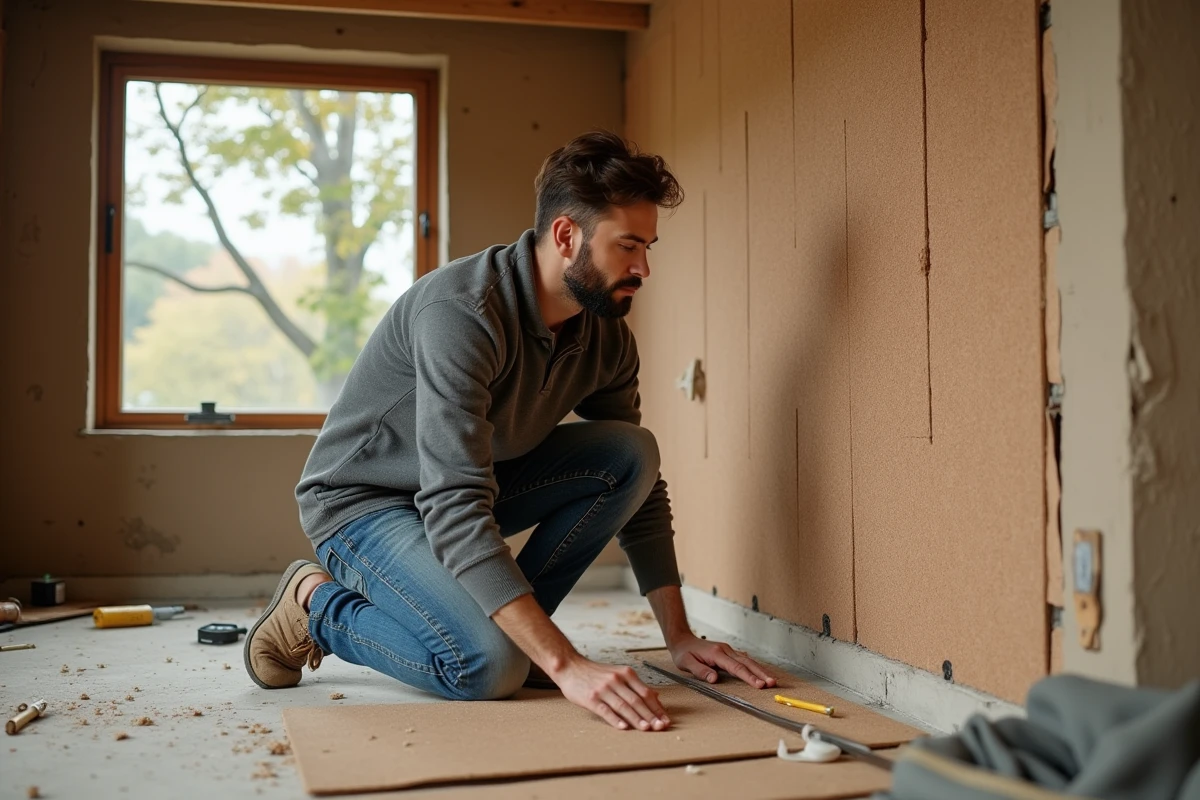
Building or renovating with awareness requires method and reflection. Learning about eco-friendly materials and their origins is the first step towards achieving a sustainable habitat. It’s better to prioritize natural or recycled resources, certified wood PEFC or FSC, wood wool, cellulose wadding, raw earth bricks, or hemp concrete, which show a contained environmental impact and limit greenhouse gas emissions during manufacturing and transport.
The choice becomes clearer depending on the intended use of the material: thermal insulation, load-bearing elements, floors, or wall coverings. For insulation, we turn to healthy natural insulators that protect indoor air quality and limit the presence of harmful substances. On the framework or walls, local wood, earth bricks, or cellular concrete combine robustness and thermal performance. For finishing, clay plasters or wood cladding add their touch of authenticity.
Before finalizing a choice, it’s best to check the certification of the material (Natureplus, Minergie…), its local origin, and resource management. Some eco-materials will require the expertise of seasoned professionals. Also, keep an eye on French building standards and prioritize, whenever possible, short supply chains.
To avoid unpleasant surprises, keep these points of vigilance in mind:
- Favor the use of renewable and local resources
- Ensure the certification of materials
- Check compatibility with the project (wood framework, straw habitat…)
- Inquire about the availability of skilled artisans in the region
Ultimately, every choice shapes quality of life, budget balance, and the mark left on the planet. Building or renovating is no longer just about erecting walls; it’s about choosing to live differently, and that is something no one is likely to forget.